22 Jul 2021
Dentures have come a long way since their earliest forms, where the teeth weren’t ‘false’ at all but rather animal or human teeth.
Nowadays, patients have a variety of false teeth options to choose from, including something called a Flexible Denture.
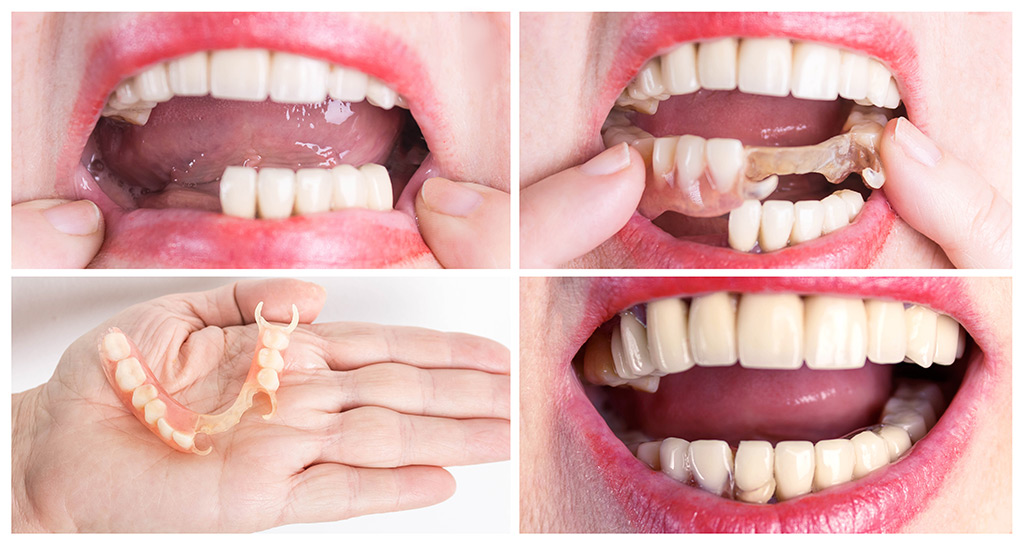
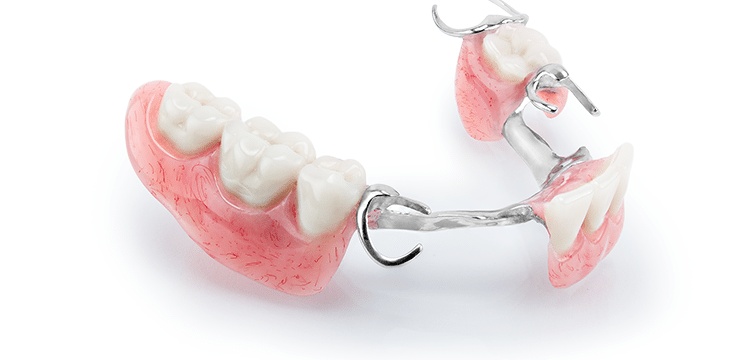
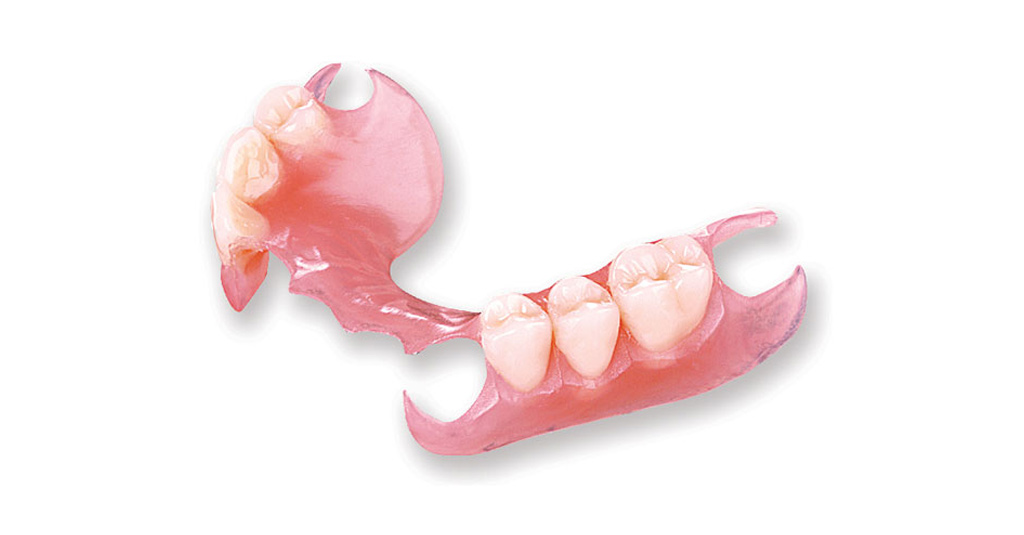
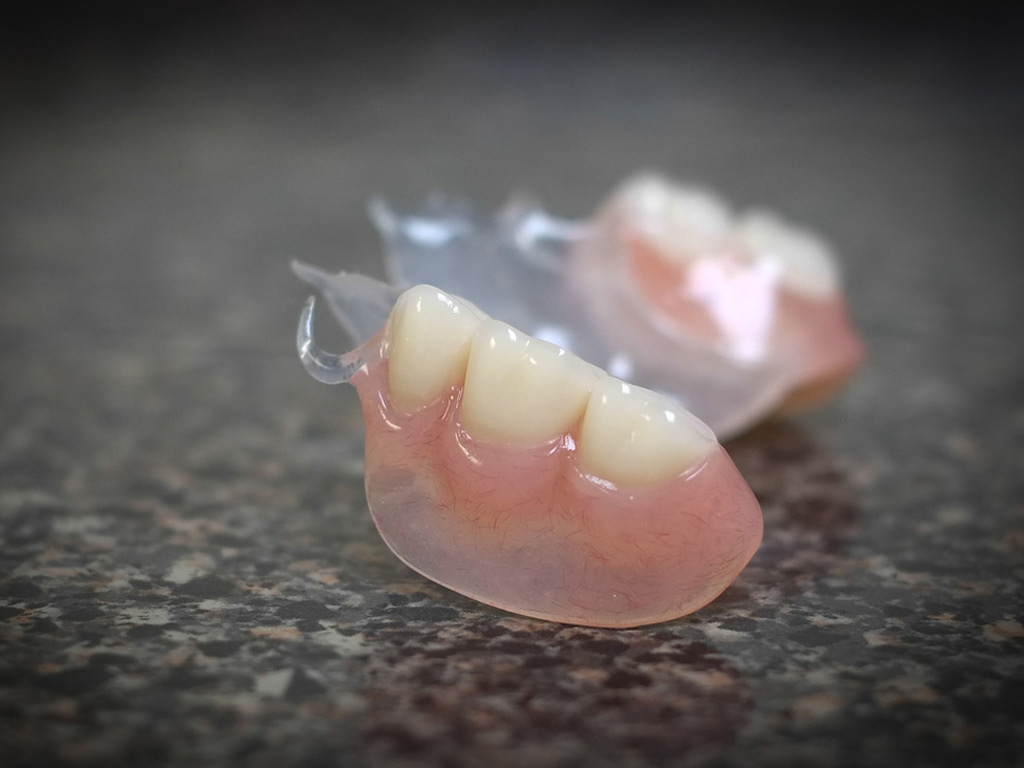
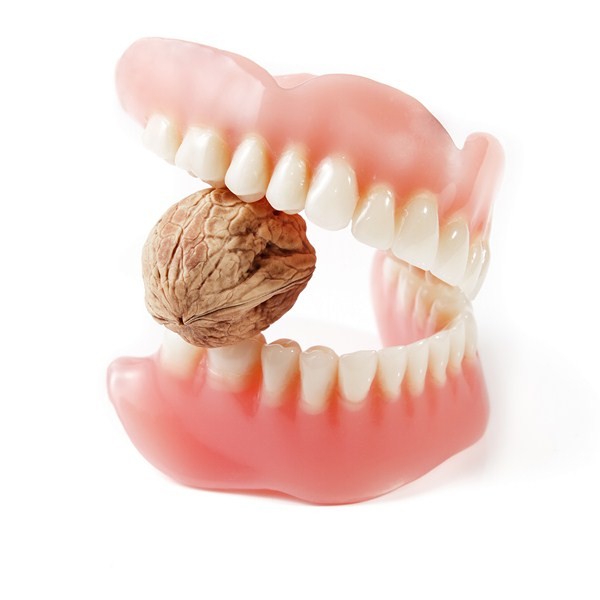
A newer type of denture that has been gaining popularity lately is the flexible denture. More and more patients are getting flexible dentures because of their high level of comfort. While most traditional dentures are quite rigid, flexible dentures are usually made from thermoplastic materials and don’t have metal hooks or clasps, and they don’t have any sharp edges, making them gentle on your gums. They absorb pressure instead of transferring it to your gums, which results in less gum soreness for the patient. They are also much less likely to loosen and move while you’re eating. When one side experiences more force than the other, they simply flex in the middle and don’t get levered out of place. This also makes them less likely to get broken as compared to traditional rigid dentures.
With so many different types of dentures to choose from, it can be difficult to decide which denture is right for you. That’s why it’s important for patients to learn more about the different types of dentures available to them. If you are considering getting a flexible denture, this article will explore what makes them great as well as their flaws so you can make the best decision for your oral health.

Flexible dentures provide patients with many benefits, some of which include:

Because of their name, some patients may worry that flexible dentures sacrifice durability for comfort. This is not true. Flexible dentures can actually be longer lasting than traditional rigid dentures because they absorb and displace pressure better to avoid costly chips and breaks.
However, despite their many benefits to patients, flexible dentures also suffer from drawbacks such as:

Each patient has their own unique oral needs, and so there is no one-solution-solves-all option when it comes to dentures. While flexible dentures may make the perfect solution for one wearer, they may not provide all the benefits required for another patient.
Typically, flexible dentures make a great short-term or temporary solution, especially for patients who are considering dental implants as a permanent fix for their missing teeth. Flexible dentures can help foster healing after teeth extractions since they are gentler on the wearer’s gums. They also help the wearer adapt to wearing partial dentures with their thin and flexible design. If you have to wait between extraction and receiving your dental implants, a flexible denture can be used to hold a place for the implants while providing the patient with a means to eat normally.

Flexible dentures are made from a lightweight, BPA-free thermoplastic material that bends naturally with your mouth. Unlike traditional acrylic dentures, they contain no metal clasps and offer a more natural appearance and comfortable fit.
Yes. Flexible dentures are designed to adapt to the shape of your gums, reducing pressure points and irritation. Many patients find them more comfortable for everyday activities like eating and speaking.
Flexible dentures are ideal for patients missing one or several teeth, especially those with sensitive gums or who have difficulty adjusting to rigid dentures. A denturist in Olds can assess whether they’re right for you.
With proper care, flexible dentures can last several years. Regular check-ups, proper cleaning, and avoiding excessive force when chewing can help extend their lifespan.
Yes, in many cases flexible dentures can be adjusted or repaired if damaged. Visiting a local denture clinic in Olds ensures timely repairs and proper fit adjustments.
Whether or not you feel that a flexible denture is right for you, it’s important to know all the options available to you. Olds Denture & Implant Centre offer FREE consultations so you can discuss all your denture options with a certified and experienced denturist in order to feel confident when making your denture selection.
Schedule your appointment today by visiting their website or give them a call at (403) 791-3303.

Book a personalized consultation at Olds Denture & Implant Centre today. Our experienced denturists will help you find a comfortable, natural-looking solution tailored to your smile.
20 Apr 2021
It’s natural to feel some discomfort when adjusting to your new dentures. Unfortunately, this discomfort often makes it difficult to eat certain foods for a short time.
While eating may be uncomfortable, it’s important for your health that you maintain a proper healthy diet. This discomfort will subside after a little time, but it can be overwhelming at first. To help make the transition to eating with your new dentures easier, here are 10 things you should know about eating with new dentures.

Starting with a diet of liquid or pureed foods will help keep your discomfort to a minimum as your gums adjust to your new dentures. Examples of good soft and pureed foods include apple sauce, puddings, and broth.
When eating a liquid diet, it’s important to swallow your foods. Holding liquids in your mouth for a prolonged time can potentially loosen your bottom denture.
While soup can be a great food to eat while adjusting to your dentures, be careful you don’t eat soup that is too hot. Dentures are made of materials that may initially feel foreign in your mouth and this can make it difficult to properly judge the temperature of your food. By letting your food cool before eating, you will ensure that you don’t burn your mouth.
Don’t become alarmed if certain familiar foods taste odd when you first start eating with your dentures. It takes time and practice before your dentures start to feel normal, which can easily distract your mind. Your sense of taste will return once eating becomes more natural.
When eating pureed food starts to feel comfortable, start to gradually introduce certain soft solid foods into your diet. Be sure to cut these foods into small pieces so they take less time to chew and will cause less strain on your gums.
When you start eating solid foods, take your time to chew slowly. Chewing will feel odd at first, but it is important you chew your food properly to avoid choking or taxing your digestive system.
If you notice your dentures feel loose while eating solid foods, take a moment to consider where you are chewing inside your mouth. Distributing your food evenly between both sides of the back of your mouth will help keep your dentures stable and make eating feel more natural.
Whole grains, such as bread and porridge, are part of a healthy diet. Unfortunately, grains can also stick to your teeth. Having a glass of water with you while eating can help clean sticky residue off your teeth and can also make chewing and swallowing easier.
Protein is a staple of a healthy diet. While becoming accustomed to eating solid foods with your dentures, skip the tough red meats and opt instead for something easier to chew. Great soft protein options include fish, eggs, and poultry.
Once your mouth has become accustomed to eating with your new dentures in, you should be able to eat most foods comfortably again. However, it’s wise to be cautious of foods that are particularly hard or sticky, like apples or peanut butter. By cutting your fruits into small pieces, even once eating feels normal, you can avoid damaging your dentures.
If you are still struggling to chew even the softest of foods or are considering using a denture adhesive to help you eat, book a consultation with your denturist. Mike Galye at Olds Denture & Implant Centre will make sure you have the best fitting dentures possible that will have you eating and smiling again in no time.
Book your next denture appointment today!
30 Mar 2021
The process of building dentures has come a long way since wearing dentures became mainstream in the late 1700’s. While there are many different types of dentures available today for individual dental situations, there are two main categories that these dentures fall into. These main categories are traditional dentures and digital dentures.
If you are thinking about getting dentures, you may be wondering which one is best for your unique circumstances. There are three main differences to consider when comparing traditional and digital dentures.
A significant difference between traditional and digital dentures is the appointment process. Traditional dentures require multiple appointments so the dentures can be molded, fitted, and adjusted to the patient’s mouth. This process can take anywhere from six to twelve weeks to complete.
Digital dentures are a newer type of denture that relies on modernized and standardized software, which has been specifically designed to streamline the entire process. Most digital dentures only require two or three appointments to fit the patient with properly fitting and comfortable dentures.

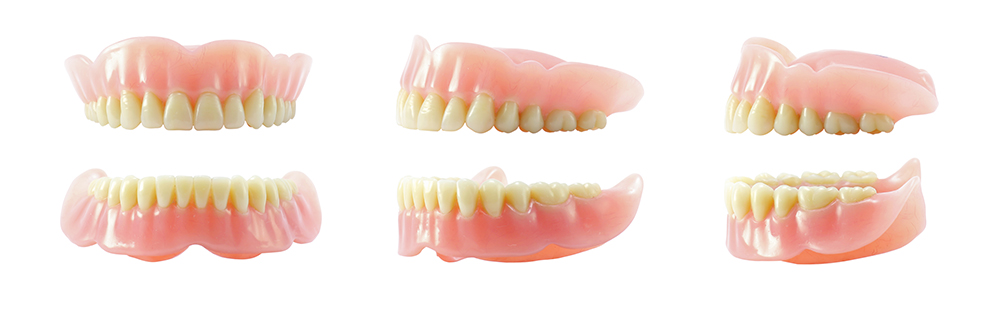
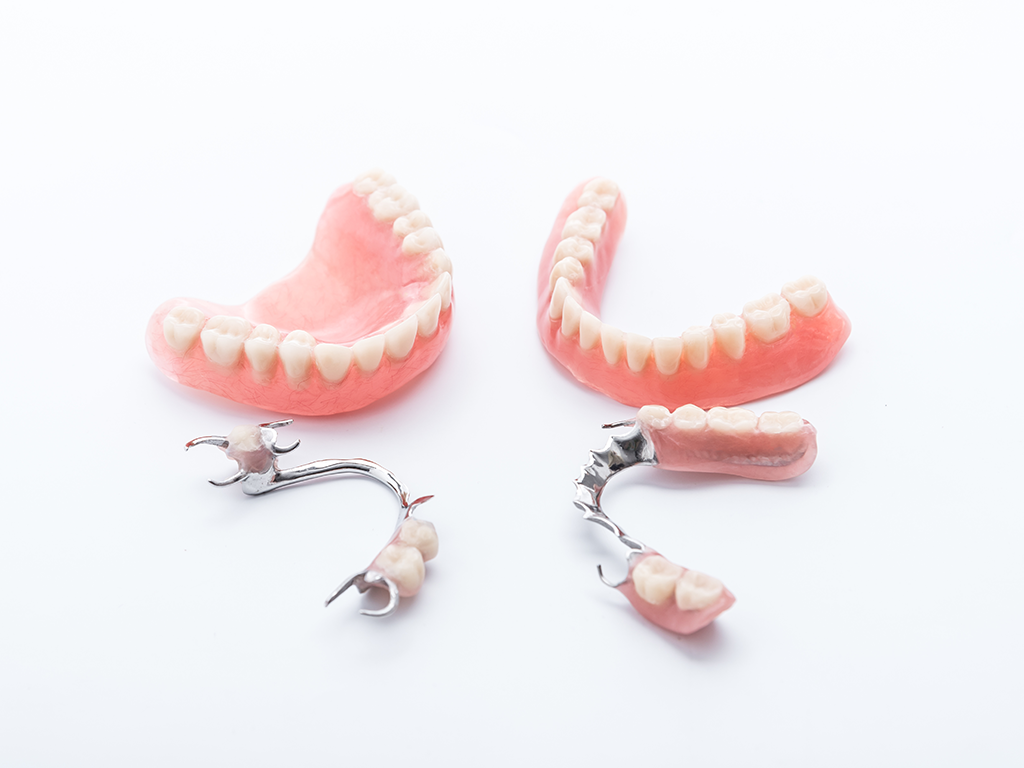
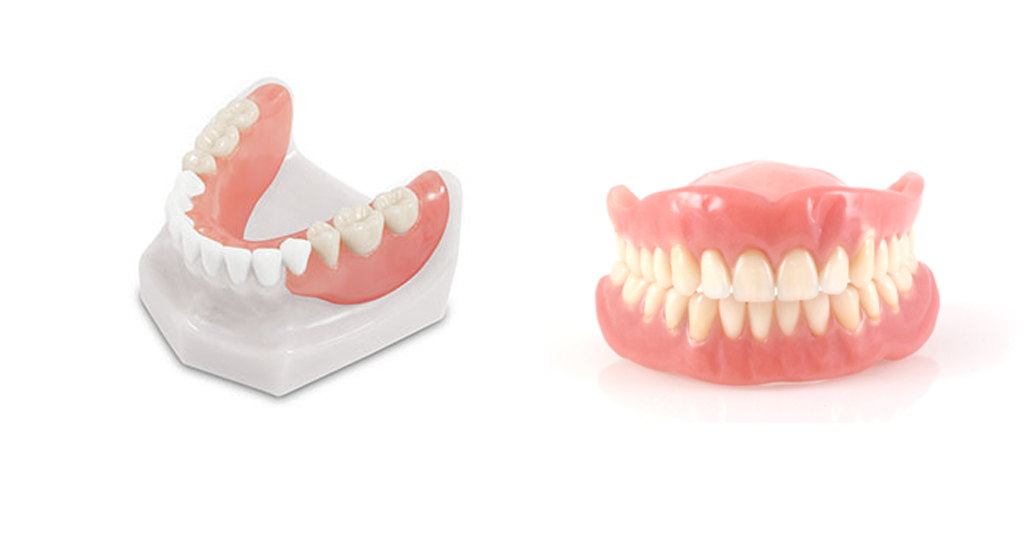
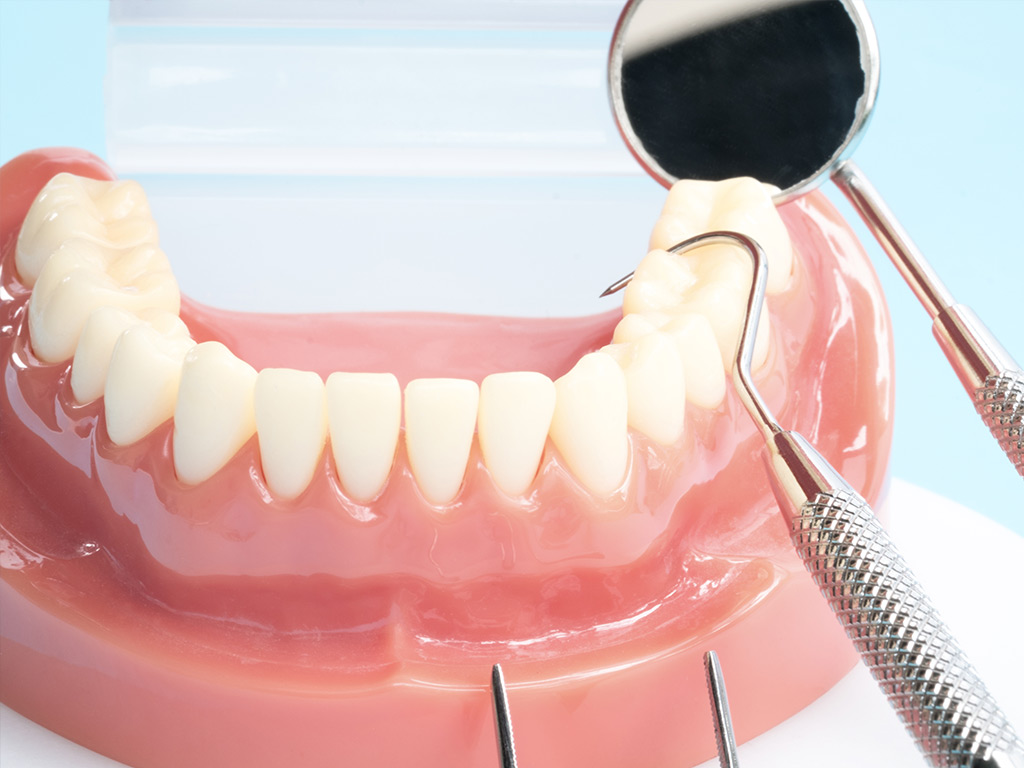
Traditional dentures usually come in two parts, an upper and a lower, which are handcrafted from flesh-colored acrylic that fits over the patient’s natural gums. The upper denture covers the roof of the mouth while the lower denture is shaped like a horseshoe to fit comfortably around your tongue.
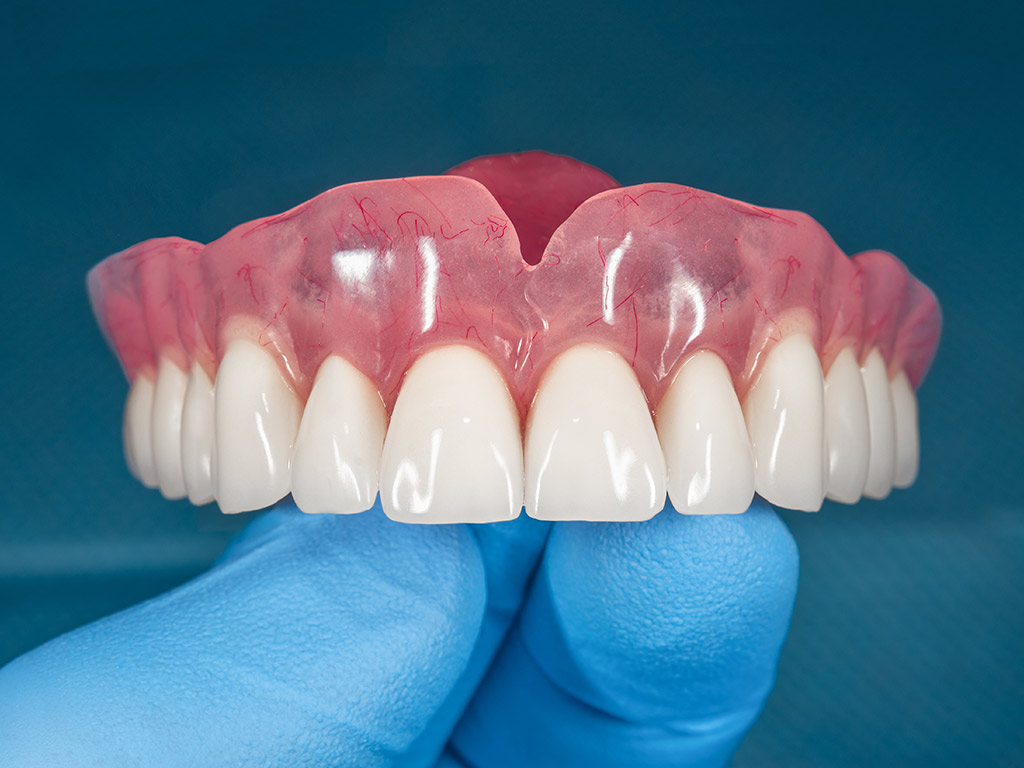
The fabrication process for digital dentures utilizes modern and efficient digital machinery. These dentures are typically milled out of a pre-shrunk, solid block of cured resin. By taking a digital scan of a patient’s remaining natural teeth and gums, denturists can now make digital dentures that suction better to the inside of the mouth and provide patients with an overall more comfortable fit. The tougher material also helps prolong the life of digital dentures as they can withstand more pressure than traditional acrylic dentures and experience less warping over time.

While it is always recommend that patients take very good care of their dentures so that they last as long as possible, accidents happens and sometimes dentures get broken or lost.
Replacing dentures can be time consuming and irritating for the patient because the denturist will have to start the whole denture building process from the beginning. The dentures will again have to be handcrafted, fitted, and adjusted, which can leave the wearer without any dentures for weeks at a time.
Replacing digital dentures can take less than 24 hours, depending on the circumstances. The scans and models used to create the original dentures are already saved on file, saving both the patient and the denturist time. The digital dentures can be made without an in-office consult, meaning the dentures can be ready by the time the patient arrives.
If you are interested in learning more about digital dentures or want to find out which type of denture is best for you, book your free consultation with Olds Denture & Implant Centre. We offer free consultations so that our patients can feel confident that they are making informed decisions about their dental health. Get started today – give us a call at (403) 791-3303.
13 Jan 2021
Severe toothaches: This could signal decay has made its way to the root of your tooth and is causing severe discomfort due to the nerve in the center of the tooth being attacked. Sometimes the tooth can be saved but if it is beyond a certain salvageable state, an implant or partial denture may be required.
Red and Swollen Gums: Often gum inflammation is a key indicator or periodontal disease, which is the advanced stage of gum disease. Leaving this condition untreated leads to damage to the supportive structuring of your teeth and bone loss which will result in tooth loss and the need for dentures.
Loose or moving teeth: We are unable to see what is going on below our gums in our day to day life so if you’ve recently noticed loose or shifting teeth, its usually an indicator that there is decay beneath the surface. Damage can be significant and irreversible leaving limited options for saving the originally teeth.
Difficulty chewing: Painful chewing can indicate significant damage to teeth. When it is painful to chew food, you tend to swallow larger bites which can additionally lead to indigestion. If you have noticed these symptoms for a prolonged period, it’s time to investigate what is going on with your oral health.
Missing teeth:- If you already have missing teeth, the need for dentures or implants is immediate. If the remaining teeth don’t have support, they will shift faster and become weak. When there is only a few missing teeth, implants will likely be enough to help preserve the bone structure and maintain a healthy jaw.

The thought of dentures can be scary but know there is several treatment options available. The team at Old Denture and Implant center will be more then happy to answer all your questions. As you transition into dentures, having a team that is dedicated to the most effective and innovative options in the industry will set your mind at ease. When dentures become necessary for you or a loved one, schedule a FREE consultation with us and we will be happy to go over all your options.
16 Jul 2020
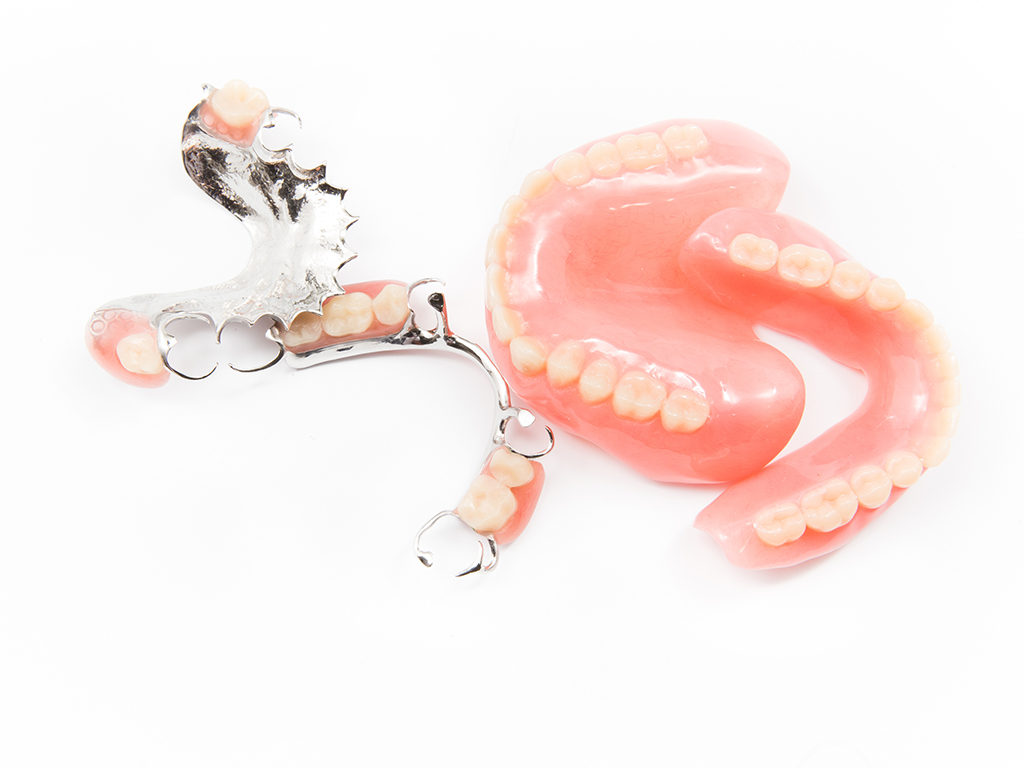
Your molars play a crucial role in your overall oral health and make everyday tasks easier. Partial dentures are a great solution for patients who are missing some or all of their back teeth, as they will act as your natural teeth while offering low cost benefits with superior comfort and fit.
You may be wondering if partial dentures are the right option for you. To help you make a more informed decision, we have compiled 8 of the most common questions patients have about partial dentures.

Yes, partial dentures are a great solution for patients who are missing some or all of their back teeth. Partial dentures remain firmly in place while in your mouth, making it easier to chew, talk, and smile with confidence. Partial dentures are also more economically feasible than dental implants, which is especially helpful for patients who are looking to replace multiple back teeth.
Partial dentures will help maintain your daily routine by making everyday tasks more manageable and more comfortable. Eating and drinking will be much easier with your dentures in place, meaning you don’t have to give up your favourite foods. Partial dentures will also help improve your speech. Some patients struggle with speaking clearly when they are missing back teeth, but partial dentures make speaking with precision easier and clearer.

With recent technological advancements, dentures today can resemble your natural teeth and gums more closely than ever before. Your denturist can match your dentures to the colour of your remaining natural teeth, leaving you with a natural-looking smile.
Partial dentures also provide much needed support to your cheeks and your lips to keep them from sagging and keep your appearance youthful. They also keep your remaining natural teeth from shifting, which helps maintain your smile and avoid further dental problems.
It’s common for patients to feel some minor discomfort when first wearing a new denture. Dentures are made to fit specifically in your mouth depending on your individual needs, but they will still take time to feel natural. Once you become accustomed to putting your partial denture in and taking them out, as well as chewing on the fabricated teeth and gums, you will hardly notice they are there.
If you are experiencing some discomfort with your new dentures, we suggest reading this article for 5 tips for more comfortable dentures.

It is not wise for patients to leave their removeable dentures in for 24-hours a day. Just like your body, your gums also need a chance to rest and recover. It’s best for patients to take their dentures out before going to bed to give your gums a chance to relax and have time to properly clean and care for your partial denture.
For tips on how to properly care for your dentures, click here.
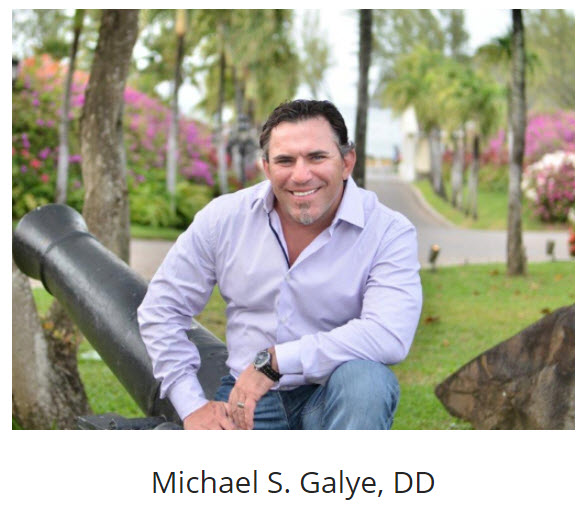
If you have a specific question about partial dentures or are interested in finding out if it is the right denture for you, book your free consultation with Olds Denture & Implant Centre today! Michael Galye, DD, and his knowledgeable team can answer all your denture and oral health-related questions and find the best-customized solution to your denture needs.